As a leading organization representing the Chinese culinary and hospitality community in Canada, CCHAC (Chinese Cuisine & Hospitality Association of Canada) is committed not only to industry development and professional networking, but also to education, cultural preservation, and community impact.
We recognize that the future of the culinary industry begins long before a professional kitchen career—it starts with curiosity, discipline, and meaningful exposure.
To that end, CCHAC launched the Junior Top Chef Training Program, a structured youth culinary initiative that integrates professional kitchen standards, food safety awareness, and cultural education into a comprehensive learning experience for young participants.
Under this initiative, CCHAC successfully organized two distinct yet equally positioned programs:
· CCHAC Junior Chef Training Camp
· Holiday-Themed Junior Chef Winter Camp
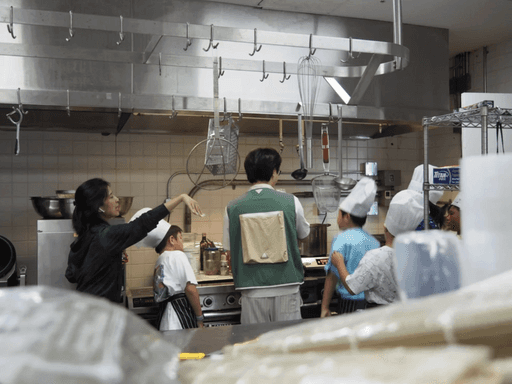
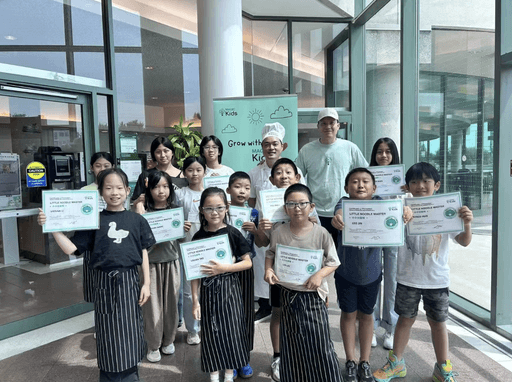
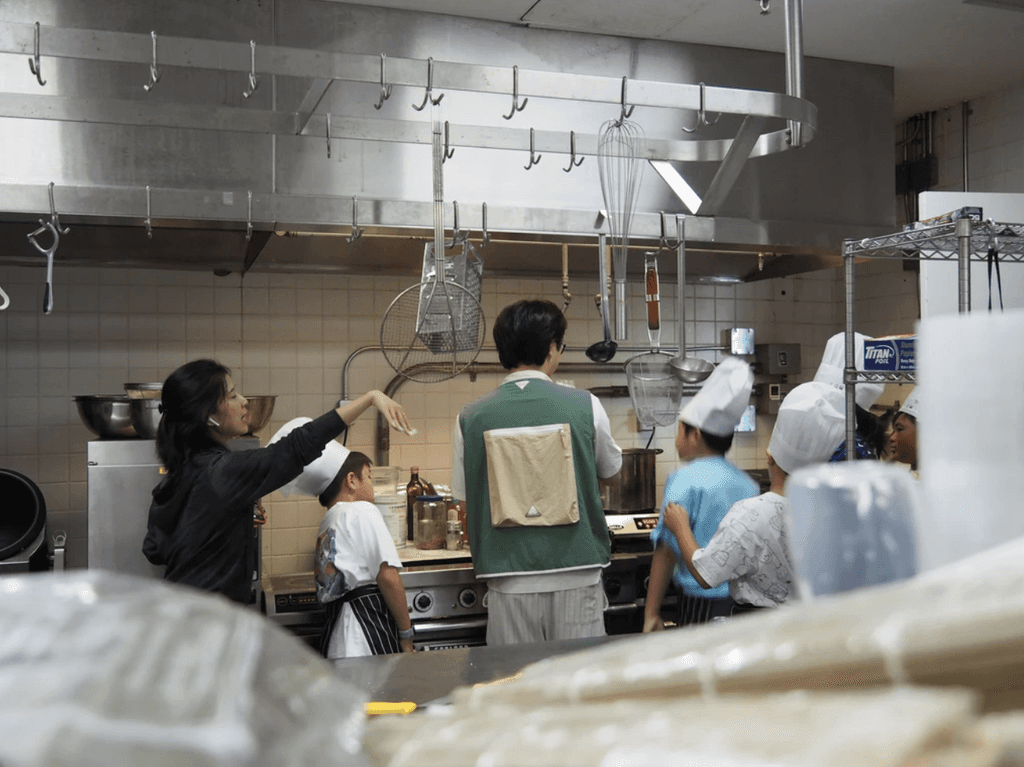
While held at different times and designed with different thematic focuses, both programs share the same educational foundation: we create real kitchen environments where young participants develop practical skills, confidence, teamwork, and cultural understanding.
As a leading organization representing the Chinese culinary and hospitality community in Canada, CCHAC (Chinese Cuisine & Hospitality Association of Canada) is committed not only to industry development and professional networking, but also to education, cultural preservation, and community impact.
We recognize that the future of the culinary industry begins long before a professional kitchen career—it starts with curiosity, discipline, and meaningful exposure.
To that end, CCHAC launched the Junior Top Chef Training Program, a structured youth culinary initiative that integrates professional kitchen standards, food safety awareness, and cultural education into a comprehensive learning experience for young participants.
Under this initiative, CCHAC successfully organized two distinct yet equally positioned programs:
· CCHAC Junior Chef Training Camp
· Holiday-Themed Junior Chef Winter Camp
While held at different times and designed with different thematic focuses, both programs share the same educational foundation: we create real kitchen environments where young participants develop practical skills, confidence, teamwork, and cultural understanding.
As a leading organization representing the Chinese culinary and hospitality community in Canada, CCHAC (Chinese Cuisine & Hospitality Association of Canada) is committed not only to industry development and professional networking, but also to education, cultural preservation, and community impact.
We recognize that the future of the culinary industry begins long before a professional kitchen career—it starts with curiosity, discipline, and meaningful exposure.
To that end, CCHAC launched the Junior Top Chef Training Program, a structured youth culinary initiative that integrates professional kitchen standards, food safety awareness, and cultural education into a comprehensive learning experience for young participants.
Under this initiative, CCHAC successfully organized two distinct yet equally positioned programs:
· CCHAC Junior Chef Training Camp
· Holiday-Themed Junior Chef Winter Camp
While held at different times and designed with different thematic focuses, both programs share the same educational foundation: we create real kitchen environments where young participants develop practical skills, confidence, teamwork, and cultural understanding.
CCHAC Junior Chef Training Camp
CCHAC Junior Chef Training Camp
CCHAC Junior Chef Training Camp
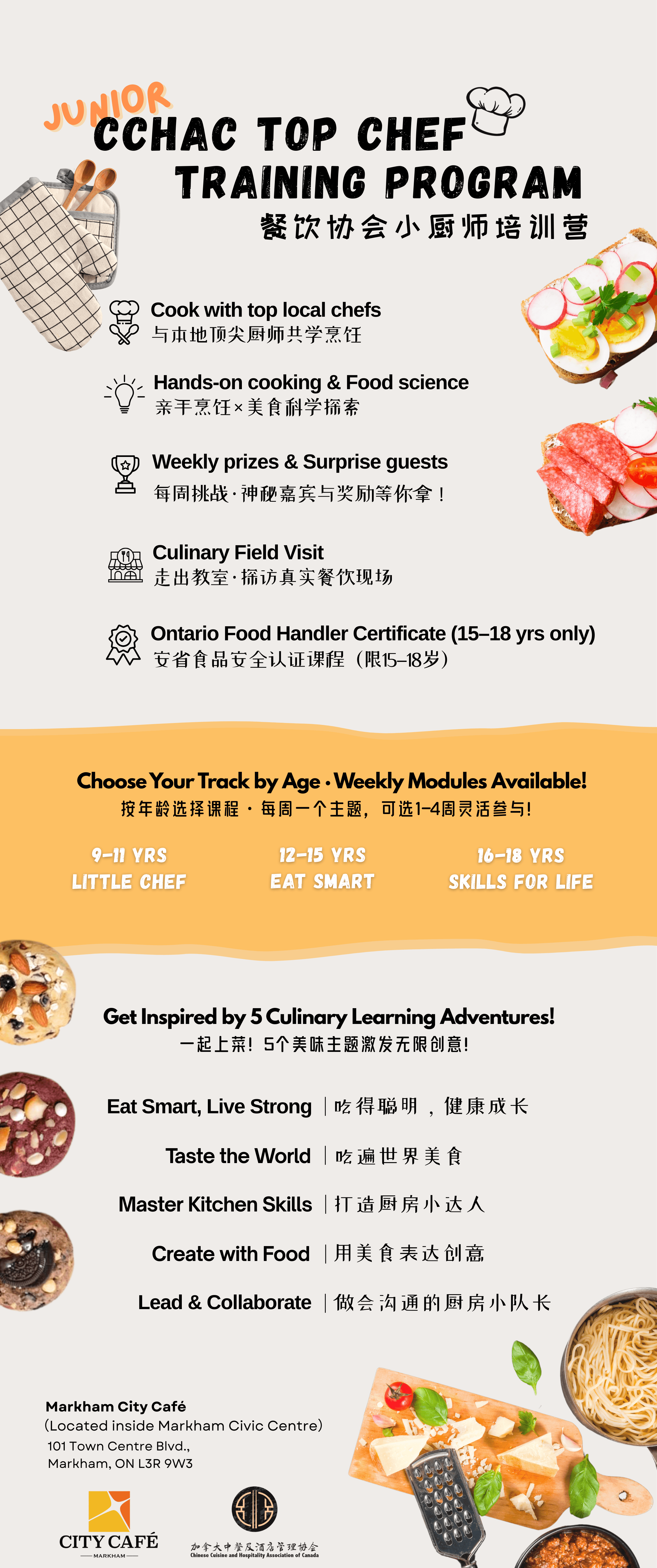
The Junior Chef Training Camp represents CCHAC’s long-term approach to youth culinary education. Rather than offering a one-time workshop, we designed a tiered and age-appropriate curriculum that grows with participants.
Age-Based Learning Tracks:
Little Chef (Ages 9–11)
We spark curiosity, build foundational kitchen skills, and introduce safety awareness.
Eat Smart (Ages 12–15)
We strengthen nutritional literacy and promote informed, healthy eating habits.
Skills for Life (Ages 16–18)
We develop independence, advanced kitchen competency, and real-world life skills.
Our curriculum is built upon three core principles:
1. Professional Standards
Participants learn under the guidance of experienced local chefs. We introduce proper knife techniques, ingredient handling, workflow discipline, and kitchen organization. Structure and responsibility are central to every session.
2. Hands-On Practice
Learning happens through action. Participants prepare, cook, plate, and present their creations. Every lesson follows a full experiential cycle—from preparation to execution to reflection.
3. Food Safety & Industry Awareness
We integrate Ontario Food Handler knowledge into the senior-level curriculum, helping youth understand hygiene protocols, safe food handling practices, and industry-level standards.
In addition, the program incorporates culinary field visits, collaborative challenges, and team-based presentations. Through these elements, we actively cultivate leadership, communication skills, and peer collaboration.
The kitchen becomes more than a workspace—it becomes a training ground for responsibility, organization, and confidence.
The Junior Chef Training Camp represents CCHAC’s long-term approach to youth culinary education. Rather than offering a one-time workshop, we designed a tiered and age-appropriate curriculum that grows with participants.
Age-Based Learning Tracks:
Little Chef (Ages 9–11)
We spark curiosity, build foundational kitchen skills, and introduce safety awareness.
Eat Smart (Ages 12–15)
We strengthen nutritional literacy and promote informed, healthy eating habits.
Skills for Life (Ages 16–18)
We develop independence, advanced kitchen competency, and real-world life skills.
Our curriculum is built upon three core principles:
1. Professional Standards
Participants learn under the guidance of experienced local chefs. We introduce proper knife techniques, ingredient handling, workflow discipline, and kitchen organization. Structure and responsibility are central to every session.
2. Hands-On Practice
Learning happens through action. Participants prepare, cook, plate, and present their creations. Every lesson follows a full experiential cycle—from preparation to execution to reflection.
3. Food Safety & Industry Awareness
We integrate Ontario Food Handler knowledge into the senior-level curriculum, helping youth understand hygiene protocols, safe food handling practices, and industry-level standards.
In addition, the program incorporates culinary field visits, collaborative challenges, and team-based presentations. Through these elements, we actively cultivate leadership, communication skills, and peer collaboration.
The kitchen becomes more than a workspace—it becomes a training ground for responsibility, organization, and confidence.
The Junior Chef Training Camp represents CCHAC’s long-term approach to youth culinary education. Rather than offering a one-time workshop, we designed a tiered and age-appropriate curriculum that grows with participants.
Age-Based Learning Tracks:
Little Chef (Ages 9–11)
We spark curiosity, build foundational kitchen skills, and introduce safety awareness.
Eat Smart (Ages 12–15)
We strengthen nutritional literacy and promote informed, healthy eating habits.
Skills for Life (Ages 16–18)
We develop independence, advanced kitchen competency, and real-world life skills.
Our curriculum is built upon three core principles:
1. Professional Standards
Participants learn under the guidance of experienced local chefs. We introduce proper knife techniques, ingredient handling, workflow discipline, and kitchen organization. Structure and responsibility are central to every session.
2. Hands-On Practice
Learning happens through action. Participants prepare, cook, plate, and present their creations. Every lesson follows a full experiential cycle—from preparation to execution to reflection.
3. Food Safety & Industry Awareness
We integrate Ontario Food Handler knowledge into the senior-level curriculum, helping youth understand hygiene protocols, safe food handling practices, and industry-level standards.
In addition, the program incorporates culinary field visits, collaborative challenges, and team-based presentations. Through these elements, we actively cultivate leadership, communication skills, and peer collaboration.
The kitchen becomes more than a workspace—it becomes a training ground for responsibility, organization, and confidence.
Holiday-Themed Junior Chef Winter Camp
Holiday-Themed Junior Chef Winter Camp
Holiday-Themed Junior Chef Winter Camp
Holiday-Themed Junior Chef Winter Camp
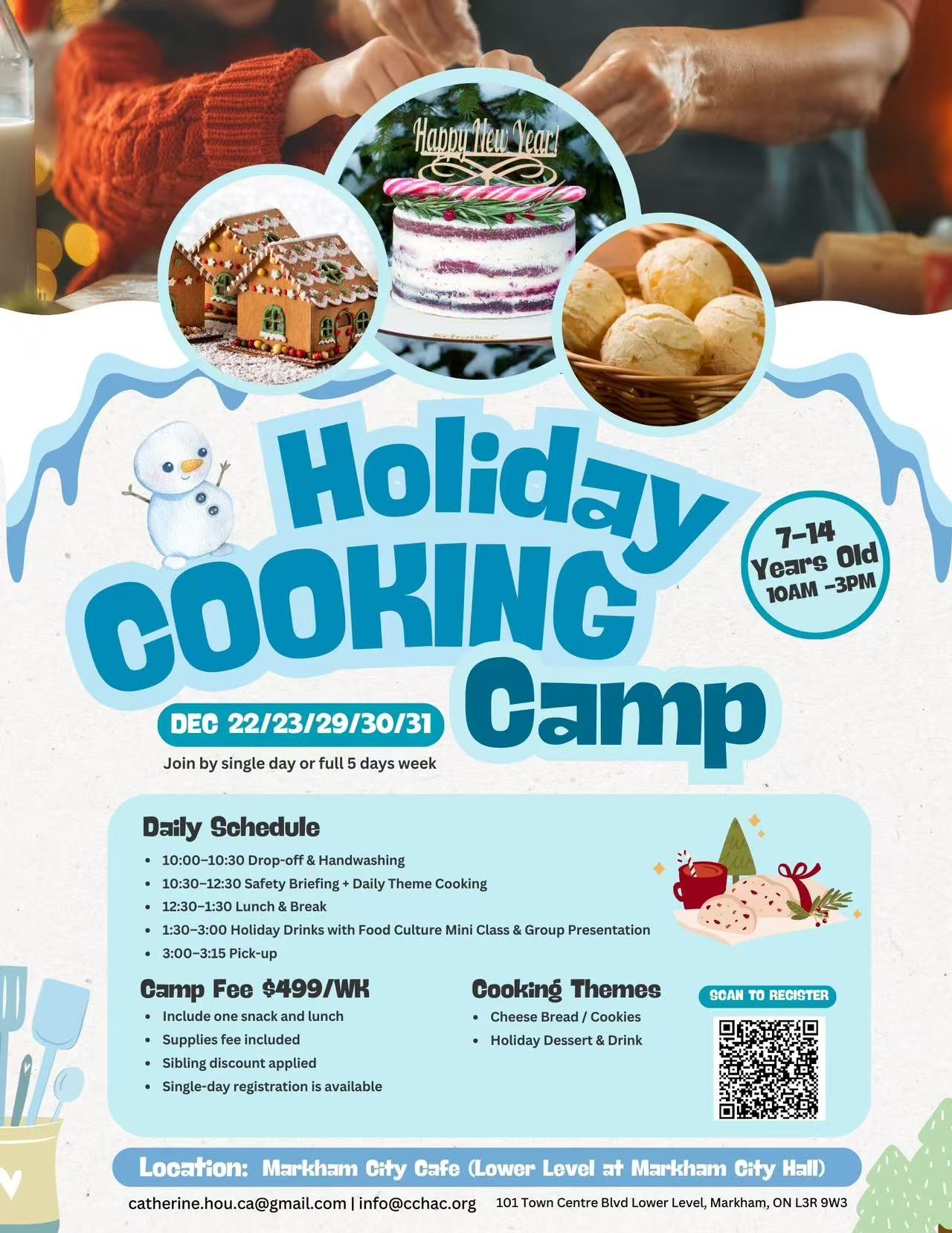
While the core training camp emphasizes structured skill development, the Holiday-Themed Winter Camp focuses on immersive seasonal experiences.
We designed this program to integrate festive culinary themes with structured learning. Participants explore holiday-inspired creations such as:
· Cheese bread and festive baked goods
· Holiday cookies and decorative desserts
· Seasonal beverages
· Cultural mini-lectures on food traditions
Each session begins with safety briefings and workflow planning before moving into guided culinary creation and group presentation. Throughout the camp, participants develop:
· Time management and procedural awareness
· Creative thinking and aesthetic presentation
· Collaboration and communication skills
By connecting culinary practice with holiday traditions, we transform food into a gateway for cultural engagement. Participants do not simply follow recipes—they engage with meaning, tradition, and shared celebration.
Holiday-Themed Junior Chef Winter Camp
While the core training camp emphasizes structured skill development, the Holiday-Themed Winter Camp focuses on immersive seasonal experiences.
We designed this program to integrate festive culinary themes with structured learning. Participants explore holiday-inspired creations such as:
· Cheese bread and festive baked goods
· Holiday cookies and decorative desserts
· Seasonal beverages
· Cultural mini-lectures on food traditions
Each session begins with safety briefings and workflow planning before moving into guided culinary creation and group presentation. Throughout the camp, participants develop:
· Time management and procedural awareness
· Creative thinking and aesthetic presentation
· Collaboration and communication skills
By connecting culinary practice with holiday traditions, we transform food into a gateway for cultural engagement. Participants do not simply follow recipes—they engage with meaning, tradition, and shared celebration.
Holiday-Themed Junior Chef Winter Camp
While the core training camp emphasizes structured skill development, the Holiday-Themed Winter Camp focuses on immersive seasonal experiences.
We designed this program to integrate festive culinary themes with structured learning. Participants explore holiday-inspired creations such as:
· Cheese bread and festive baked goods
· Holiday cookies and decorative desserts
· Seasonal beverages
· Cultural mini-lectures on food traditions
Each session begins with safety briefings and workflow planning before moving into guided culinary creation and group presentation. Throughout the camp, participants develop:
· Time management and procedural awareness
· Creative thinking and aesthetic presentation
· Collaboration and communication skills
By connecting culinary practice with holiday traditions, we transform food into a gateway for cultural engagement. Participants do not simply follow recipes—they engage with meaning, tradition, and shared celebration.

Advancing Industry Responsibility Through Youth Education
Advancing Industry Responsibility Through Youth Education
CCHAC firmly believes that culinary education is an extension of industry leadership.
As we strengthen professional standards within the hospitality sector, we also invest in the next generation. The Junior Top Chef Training Program reflects this dual commitment—to excellence today and sustainability tomorrow. Through these initiatives, we:
· Promote healthy eating awareness among youth
· Equip young participants with practical life skills
· Introduce food safety and professional kitchen standards
· Encourage cultural appreciation and multicultural understanding
· Develop teamwork and leadership qualities
The kitchen is not merely a place of cooking—it is a space where discipline, creativity, and cultural identity intersect.
CCHAC will continue to expand and refine youth culinary initiatives, bridging industry expertise with community education and ensuring that the spirit of professionalism and cultural pride carries forward into the future.
CCHAC firmly believes that culinary education is an extension of industry leadership.
As we strengthen professional standards within the hospitality sector, we also invest in the next generation. The Junior Top Chef Training Program reflects this dual commitment—to excellence today and sustainability tomorrow. Through these initiatives, we:
· Promote healthy eating awareness among youth
· Equip young participants with practical life skills
· Introduce food safety and professional kitchen standards
· Encourage cultural appreciation and multicultural understanding
· Develop teamwork and leadership qualities
The kitchen is not merely a place of cooking—it is a space where discipline, creativity, and cultural identity intersect.
CCHAC will continue to expand and refine youth culinary initiatives, bridging industry expertise with community education and ensuring that the spirit of professionalism and cultural pride carries forward into the future.
CCHAC firmly believes that culinary education is an extension of industry leadership.
As we strengthen professional standards within the hospitality sector, we also invest in the next generation. The Junior Top Chef Training Program reflects this dual commitment—to excellence today and sustainability tomorrow. Through these initiatives, we:
· Promote healthy eating awareness among youth
· Equip young participants with practical life skills
· Introduce food safety and professional kitchen standards
· Encourage cultural appreciation and multicultural understanding
· Develop teamwork and leadership qualities
The kitchen is not merely a place of cooking—it is a space where discipline, creativity, and cultural identity intersect.
CCHAC will continue to expand and refine youth culinary initiatives, bridging industry expertise with community education and ensuring that the spirit of professionalism and cultural pride carries forward into the future.
Relative Articles